




 CorLab AI Agent

Welcome to your Personal Assistant
This Tech Assistant is designed to support you with clear insights into our company, our work, our services and the people behind our progress.
Powered by CorLab Tech © 2025
Software Development Outsourcing: What Goes Wrong in the First 90 Days and How to Prevent It
Software development outsourcing means hiring an outside company to build, fix, or maintain your software. You set the goals and the budget. The outside team does the design, coding, and testing. Most outsourced projects that go wrong show it within the first 90 days, and the warning signs arrive in a fairly fixed order.
In week one, nobody on the client side owns decisions. A month in, the reports say 80% done with nothing to click, and by month three nobody knows who owns the code or covers launch. Five habits prevent most of this: one decision maker per side, a demo every two weeks, written decisions, code in your own accounts, and named engineers for launch week.
Why Most Outsourcing Problems Start in the First 90 Days
The first 90 days of software development outsourcing set the working rules that every later month runs on: how the two teams talk, who makes decisions, and how work gets checked. Few teams stop to renegotiate those rules once delivery is under way, so a weak habit from week two is usually still there in month nine.
Research on failed projects points at the same habits. In a 2020 study published in PLOS One, more than 100 outsourcing practitioners ranked 150 requirements problems behind failed outsourced projects. The three at the top concerned how the teams communicated rather than what they built. They were slow replies, too little day-to-day contact, and promises made on calls that nobody wrote down. All three can start in week one.
Companies still outsource, but more carefully. Deloitte's 2024 Global Outsourcing Survey found that 70% of executives had moved some outsourced work back in-house over the past five years, while 80% planned to keep or grow their outsourcing budgets. Outsourcing is staying, which makes the first 90 days of each new engagement the part worth managing closely.
What Goes Wrong in Week 1
Week one of an outsourced project usually goes wrong quietly, through small gaps nobody raises at kickoff. The three that cost the most time are a missing decision maker, slow access to code and tools, and requirements buried in a long document instead of a ranked list.
The most common gap is the missing decision maker. On the client side, a founder, a product lead, and a technical lead may all send feedback. When they disagree, the outside team either stops and waits or follows whoever is loudest. Name one person who can give a clear yes or no within a day, and ask the outside team to name one lead who answers for their side.
Access is the second gap. Developers cannot start real work until they can get into your code, your test accounts, and the tools your product connects to. These requests often sit in an inbox for a week while the clock runs. A short access checklist, sent before the contract is signed, lets the team start on the first morning.
How the work is written down is the third gap. A 40-page document feels thorough, but it hides open questions and conflicts inside long paragraphs. A short, ranked list of features works better, with one or two sentences for each about what "done" looks like. Vague or missing questions about that list in week one mean the team has not understood the product yet.
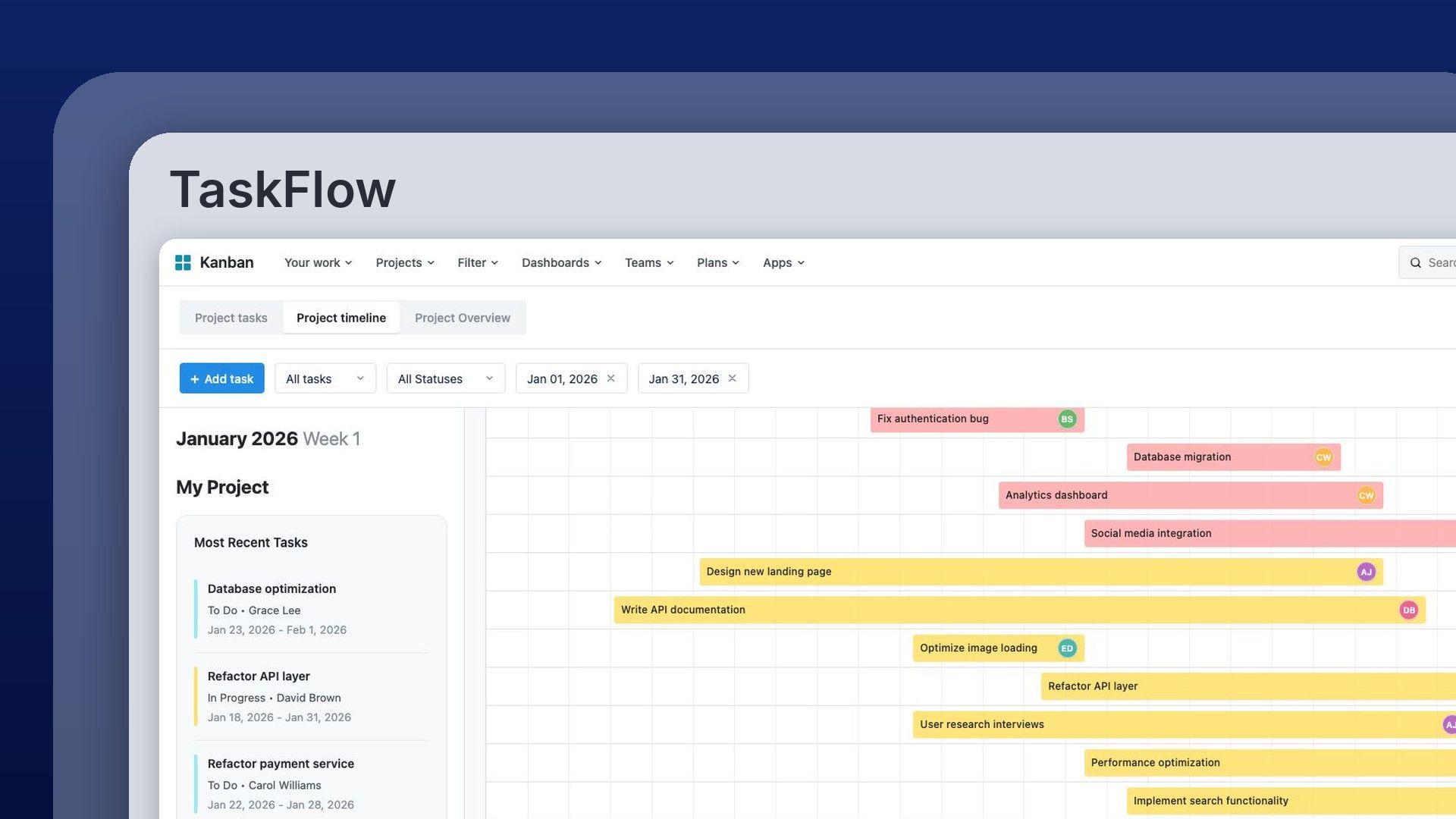
Conflicts hide well in written requirements. When I built a live-lesson platform for my university department, coding agents wrote the code from my specification of 66 requirements. Two of those requirements did not fit together, and the implementation followed the second one. I fixed the specification first and the code second.
An outside team reads a specification much the way those agents did. It builds what the document says, and it has no hallway conversations where someone mentions what the document meant. Ask the team to read the requirements back in their own words before they start. Any place where their summary differs from your intent is a decision you still need to make.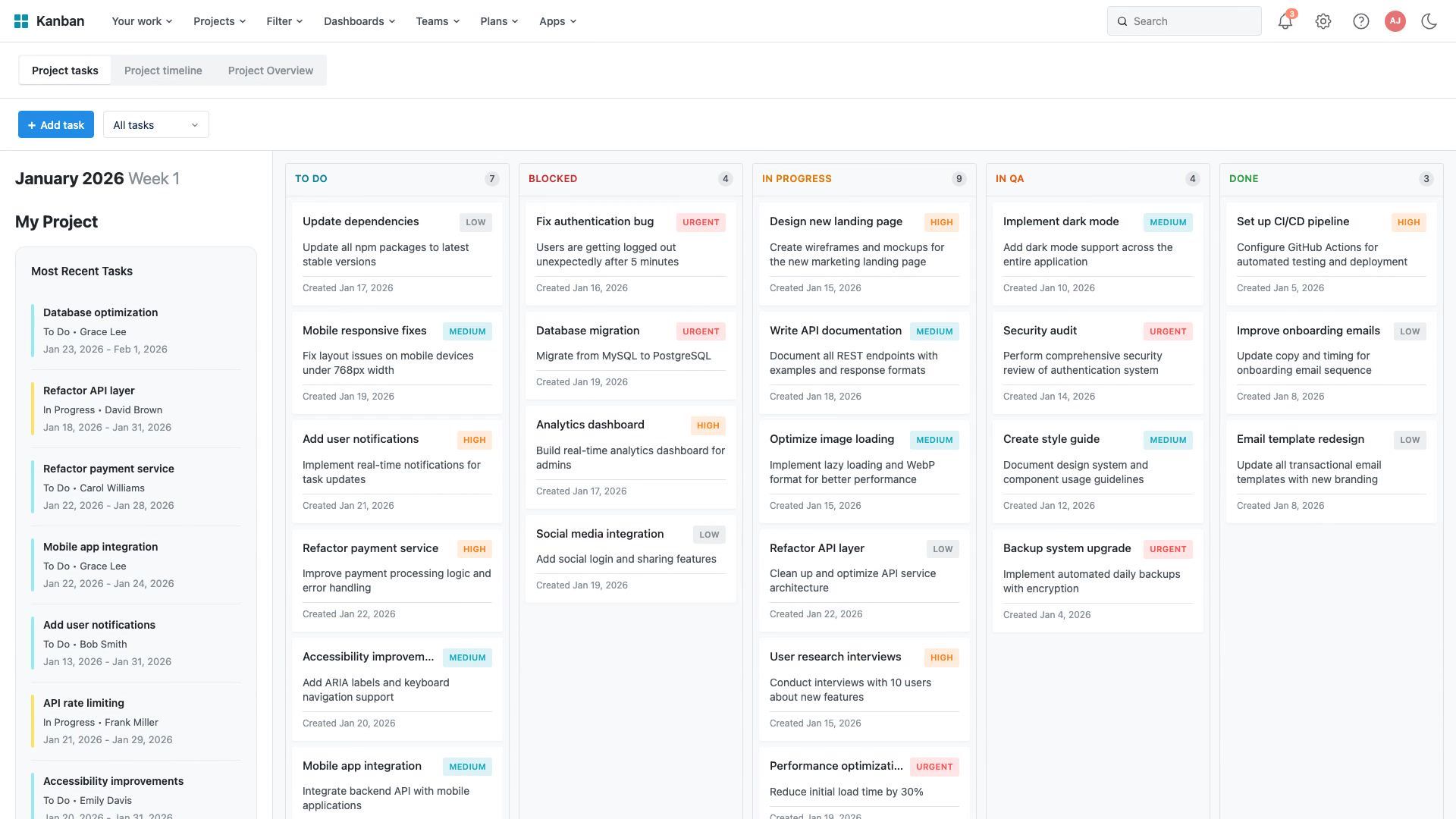
Month 1 Is When You Should See Working Software
By the end of month one, an outsourced team should have shown you working software that you can click through yourself. Progress reports full of green checkmarks and phrases like "almost done" are the first real warning sign. Ten minutes inside a real feature tells you more than any written update.
A report can say that sign-up, user profiles, and payments are 80% complete, while a demo shows whether you can create an account, edit a profile, and reach the payment screen. Ask to see it running on a real server, not only on a developer's laptop. If the demo moves to next week twice in a row, ask which feature is blocking it and why.
Communication habits also take hold in month one. The PLOS One study ranked slow replies as the top requirements problem in outsourced projects. Agree early on reply times: the same business day for questions that block work, and two days for everything else. Then keep one shared document where every decision is written down, so a choice made on a Tuesday call still exists on Friday.
Watch who talks to you, too. If every message comes from an account manager and you never hear from the people writing the code, you are seeing a filtered version of the project. Ask the lead developer to join every demo, so the engineers can explain their choices and tradeoffs in their own words.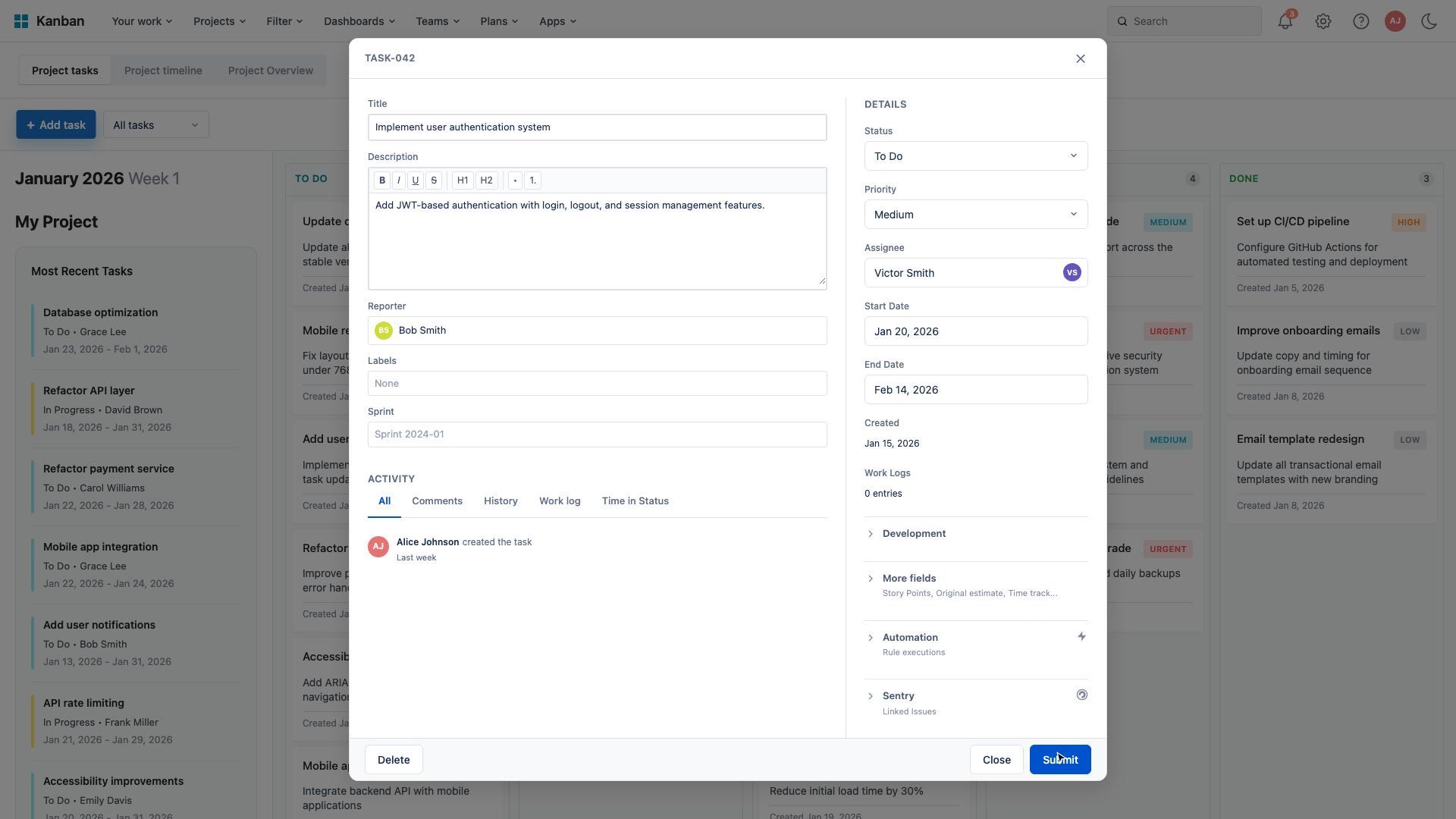
Month 2 Is When "Almost Done" Starts to Drag
Month two is when a busy-looking project can stop moving forward without anyone saying so. Each sign has a reasonable explanation on its own, so nobody raises it until several pile up. The two to track at every demo are a growing estimate of hours left and engineers who were never on the sales calls.
A feature that stays "almost done" for weeks usually works when everything goes right and breaks when something unusual happens, such as a wrong password or a lost connection. Sometimes the link to an outside service, such as payments, is still untested. Ask how many hours of work are left, and write the number down at every demo.
If that number grows from one demo to the next, the original estimate was too low. A growing number does not always mean a bad team. It often means the requirements were thinner than they looked in week one, and the fix is to rank the remaining features again and cut what can wait.
New faces are the other month-two sign. Some companies bring senior people to the sales calls and the kickoff, then hand the daily work to a different, less experienced team. Ask for the names of the engineers who will work on your product before you sign, and check every few weeks that they are the ones doing the work.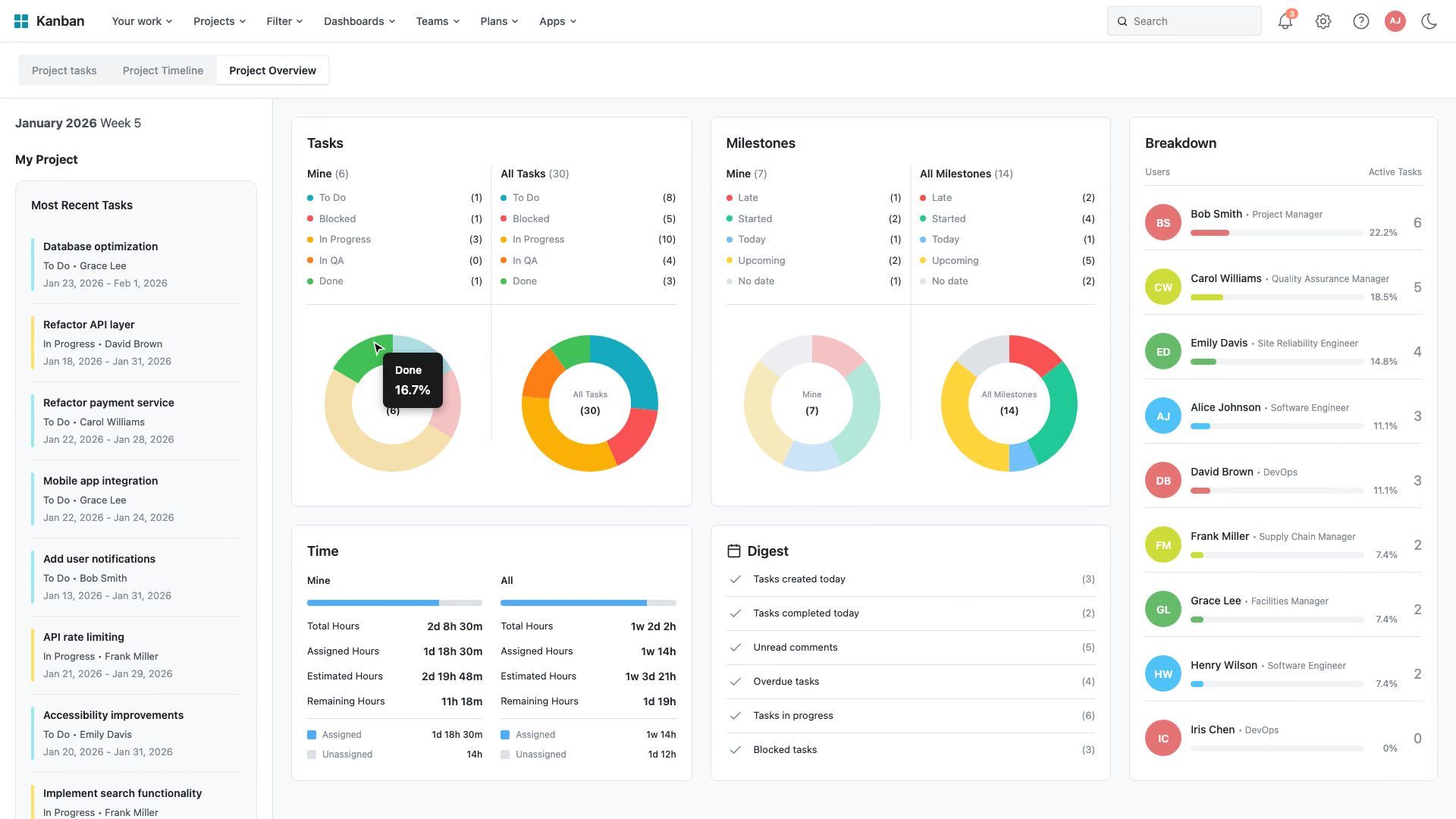
Month 3 Decides Who Owns the Code and Who Shows Up at Launch
Month three is when ownership problems come to the surface, usually just as the first real release gets close. Until then nobody needed admin rights or a launch rota. The answers belong in the contract from day one, and month three is when their absence starts to cost time, because a release cannot ship without them.
Your code should sit in an account your company owns from day one, with the outside engineers invited in as guests, so that changing partners later means removing access rather than requesting a transfer. The same goes for hosting, the domain name, and any paid tools the product uses. A good contract helps, and CorLab's guide on how to choose a software development company covers the clauses to check.
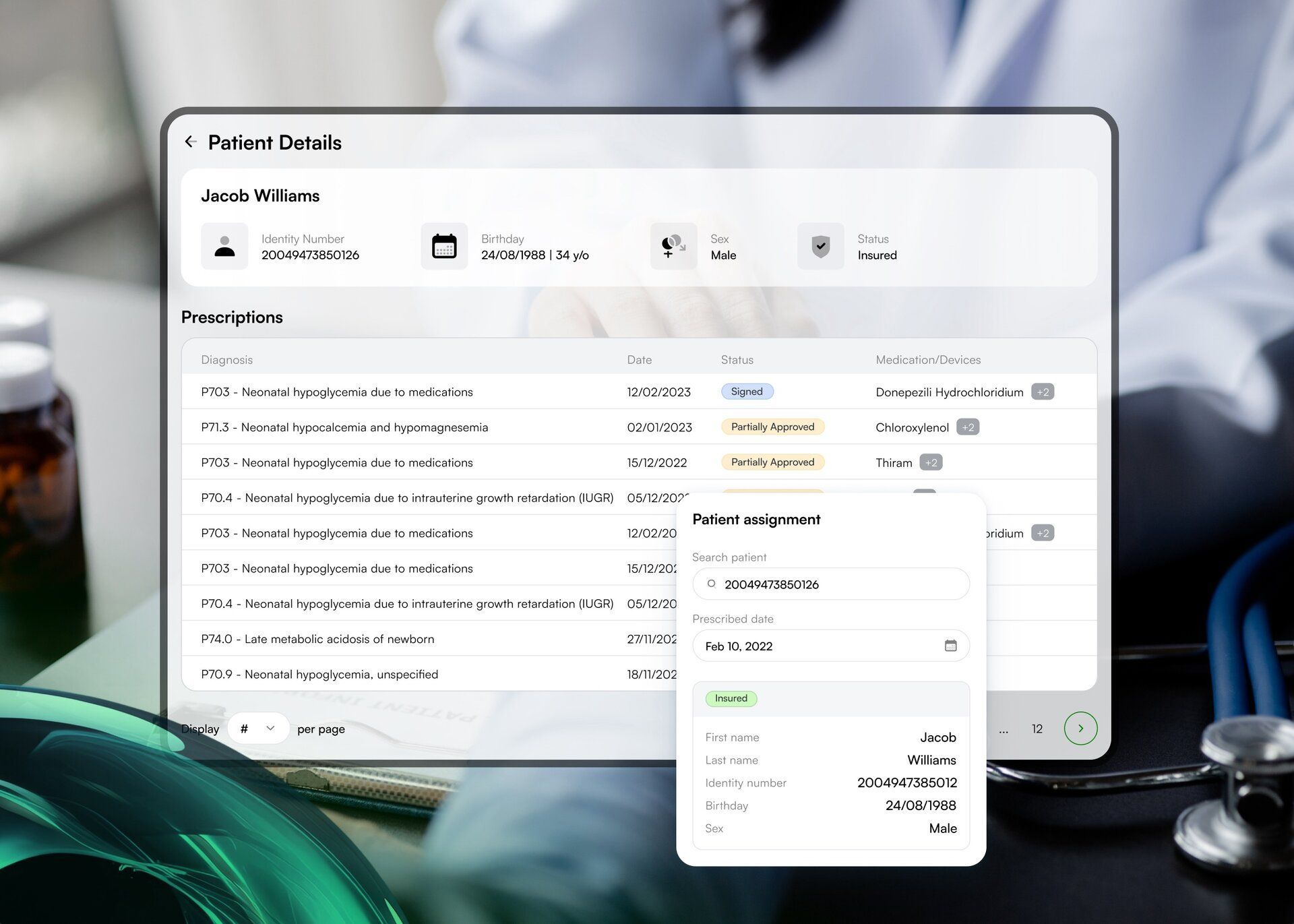
Launch week is the other month-three test. CorLab was the development company on eRețeta, Moldova's national e-prescription platform built with CNAM, which now serves more than 1,400 providers, 1,688 pharmacies, and over 500,000 patients. As the e-prescribing guide describes, MSign, the government signature service the platform depends on, froze the night before the national launch, and signing took about two hours to restore.
Outside services fail on any project. With an outsourced team, the open question is who answers when they do. A vendor can move its senior engineers to the next client once a release date is set, and the people left on the account may never have touched the connection that broke.
Put launch-week cover in the contract. It should name the engineers who built each connection to an outside service, their hours during launch week, and how to reach them outside office time.
The rest of the handover, from account ownership to support terms, is set out in CorLab's guide to the custom software development process. For an outsourced build, account ownership and launch cover matter most, because a vendor controls both by default.
Red Flags in the First 90 Days, and What to Ask
Most red flags in an outsourced software project follow a predictable timeline. Week one brings unclear sign-off and missing logins, month one a missing demo, month two growing estimates and new faces, and month three vendor-held accounts with no launch plan. Each has one question to ask the vendor, short enough for a demo.
When | Red flag | Ask |
| Week 1 | No one approves changes | Who signs off on changes? |
| Week 1 | Team still waiting on logins | What is blocking you today? |
| Month 1 | No demo yet | Can we try it on Friday? |
| Month 1 | Only sales talks to you | Can the lead developer join? |
| Month 2 | "Almost done" for weeks | How many hours are left? |
| Month 2 | New faces on the team | Who writes our code each day? |
| Month 3 | Code in their account | Do we have admin access? |
| Month 3 | No launch plan | Who is on call at launch? |
Keep the table open during demos and ask one or two of these questions each time. Clear answers in weeks one and two cost the outside team a few minutes. The same questions asked for the first time in month three often uncover problems that take weeks to fix.
In-House vs Outsourcing Software Development, and When Each One Fits
In-house and outsourced software development fail in different places, so the right choice depends on which risk you can manage. An in-house team knows your business but takes months to hire, while an outside team starts quickly and knows little about your users at first. Both need one person on your side who owns the product.
Building in-house makes sense when the software is your core business and you plan to work on it for years. Your own engineers learn your customers, stay after launch, and keep that knowledge inside the company. The cost is time. Hiring senior engineers can take months, and a small team rarely covers every skill a project needs.
Outsourcing fits when you need to start soon, need skills you do not have, or want more capacity without a long hiring process. The tradeoff is context. An outside team has to learn your business from scratch, and the first 90 days decide whether it does, which is why the timeline above matters more than any technical skill test.
There are three common setups. You can hand over a whole project, add a few outside engineers to your own team (often called staff augmentation), or hire a dedicated team that works only on your product. Many companies keep product decisions inside and outsource the building. If cost decides it, the guide to custom software development cost shows where the money goes.
What Changes When Outsourcing Software Development to Eastern Europe
Outsourcing software development to Eastern Europe gives US companies a few shared working hours each day and teams used to working in English with US and Western European clients. Moldova, Romania, and Poland are common choices. The first-90-days risks stay the same, so the same checks on demos, decisions, and ownership still apply.
CorLab works from Chișinău, Moldova, with a second office in Falls Church, Virginia. Chișinău is seven hours ahead of New York for most of the year, so a 9 a.m. meeting in New York starts at 4 p.m. there. That leaves two to three hours a day when both teams are at their desks, which is enough for the conversations that cannot wait until tomorrow.
Use those hours for approvals, questions that block a developer, and demos. Progress updates and routine questions can go in writing, so work keeps moving while the US side is asleep.
Choose the partner first and the country second. Judge an Eastern European team by the same tests as any other:
- Do they show working software early?
- Can you talk directly to the engineers?
- Is their written English clear?
- Will your code live in your accounts?
Ask all four on the first call, before rates come up.
A Simple 90-Day Checklist for Outsourced Projects
A 90-day plan for software development outsourcing works best when each stage ends with one thing you can check yourself. Week one ends with access and a ranked feature list, and month one with a working demo. By the end of month two, the hours-left number should shrink between demos. Month three ends with a release on accounts you control.
- Days 1 to 7: name a decision maker on each side, set up the code and hosting accounts in your company's name, give the team access, rank the feature list, and set a demo day
- Days 8 to 30: see demos on day 14 and day 28, agree on reply times, and start the shared decision document
- Days 31 to 60: bring the lead developer to every demo, track remaining work in hours, and test the first connection to an outside service, such as payments
- Days 61 to 90: confirm you have admin access to code, hosting, and paid tools, name the engineers on call for launch week, and put support terms in writing
The same checklist applies to a long-term team. When you hire dedicated developers through a partner, ask them to walk you through their first 90 days before you sign. Listen for how often they demo, where decisions get written down, and whose account holds the code.
Start with the decision maker. Every other step on this checklist depends on that one name, because an outside team can only move as fast as someone on your side can say yes or no.
Frequently Asked Questions


What is software development outsourcing?
Software development outsourcing is hiring an outside company to design, build, test, or maintain software for you. The contract sets scope, timeline, and code ownership. It can cover a whole product or one part of it, such as a mobile app or ongoing maintenance.


Why do outsourced software projects fail?
How soon can you tell if an outsourcing partner is working out?
Who should own the code when you outsource software development?
Is in-house or outsourced software development better for a startup?
Why outsource software development to Eastern Europe?
How much does software development outsourcing cost?
Why do companies outsource software development?


Author
Blending business insight with hands-on execution, I lead growth efforts at CorLab Tech by aligning smart strategies with clear results. My focus is on bringing in ideal clients, scaling partnerships, and growing our presence in the tech world.
Every decision is made with intention. It’s about building momentum, creating value, and turning vision into measurable success.


Our Best Insights
Browse More Articles
Want to know what’s trending in the tech world? Our articles break it all down - quickly and clearly.
 Time to read: 11 min


Healthcare

Software Development
December 30th, 2024
Mental Health App Development: Integrations, Compliance, and Build Process
Building a mental health app? Discover the tech stack, key integrations, and development process for secure, user-friendly telepsychiatry software.


 Time to read: 8 min

Artificial Intelligence
Software Development
November 18th, 2024
LLM Integration in App Development: What Works in Production
API, RAG, or fine-tuning? How to choose an LLM, ground it in your data, and keep token costs under control once the feature is in production.
We would like to load Google Tag Manager, which brings Google Analytics and a Google Ads audience tag with it, and Microsoft Clarity, which records how pages are used (clicks, scrolling, mouse movement) so that we can see where the site is hard to use. None of that is needed for the site to work, so it only loads if you agree, and you can change your mind at any time from the footer. Separately, Cloudflare measures this site's own performance without cookies and without identifying you; that runs either way and is explained in our Privacy Policy.