November 4th, 2024
Reasons to Implement Machine Learning in Healthcare
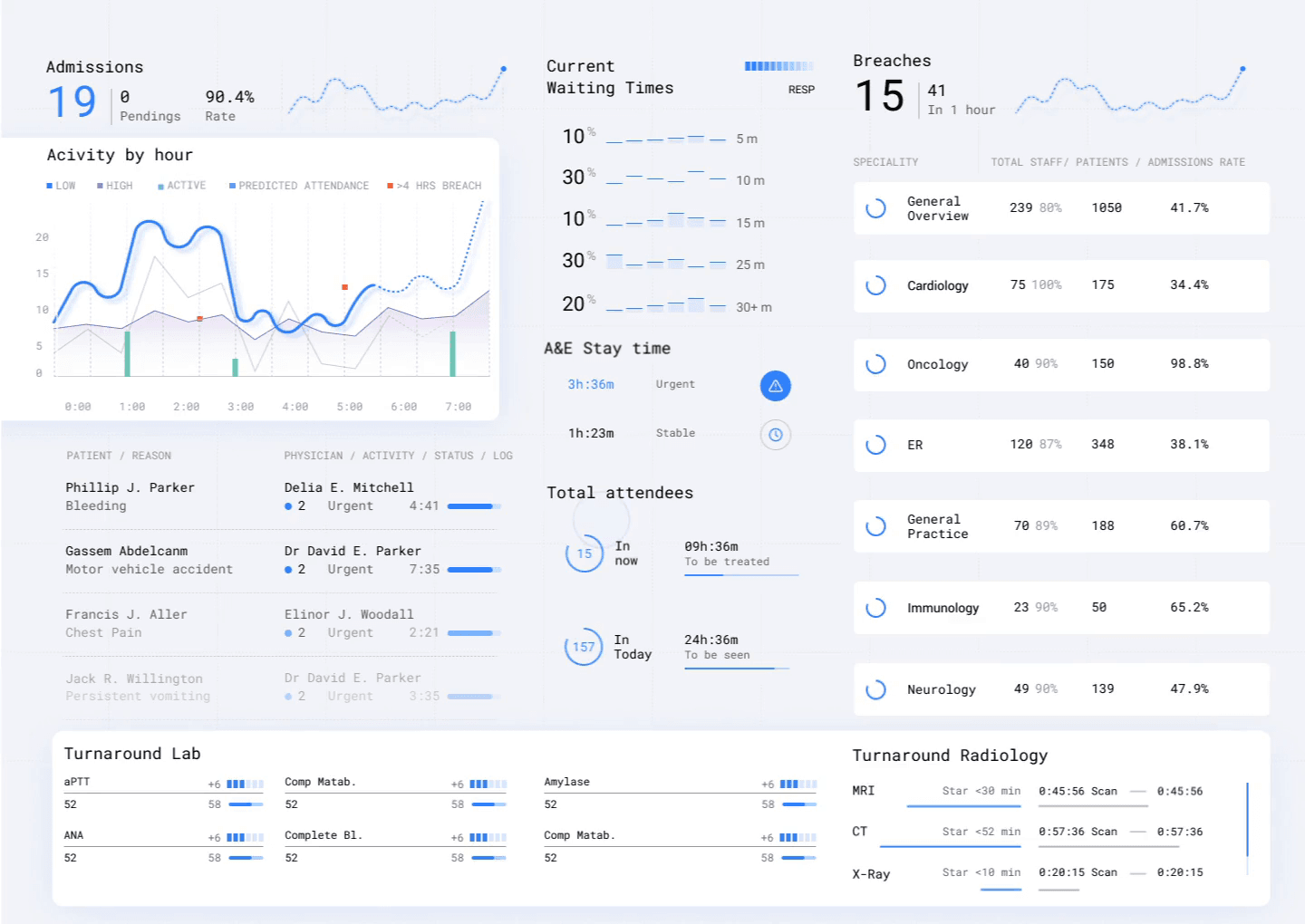
AI and ML are at the forefront of healthcare transformation—automating tasks, unlocking insights from data, and enabling next-gen treatment breakthroughs.

This Tech Assistant is designed to support you with clear insights into our company, our work, our services and the people behind our progress.
Powered by CorLab Tech © 2025

CorLab Tech is a custom healthcare software development company building data-heavy clinical and administrative systems.
Have a healthcare software project in mind?


What We've Built
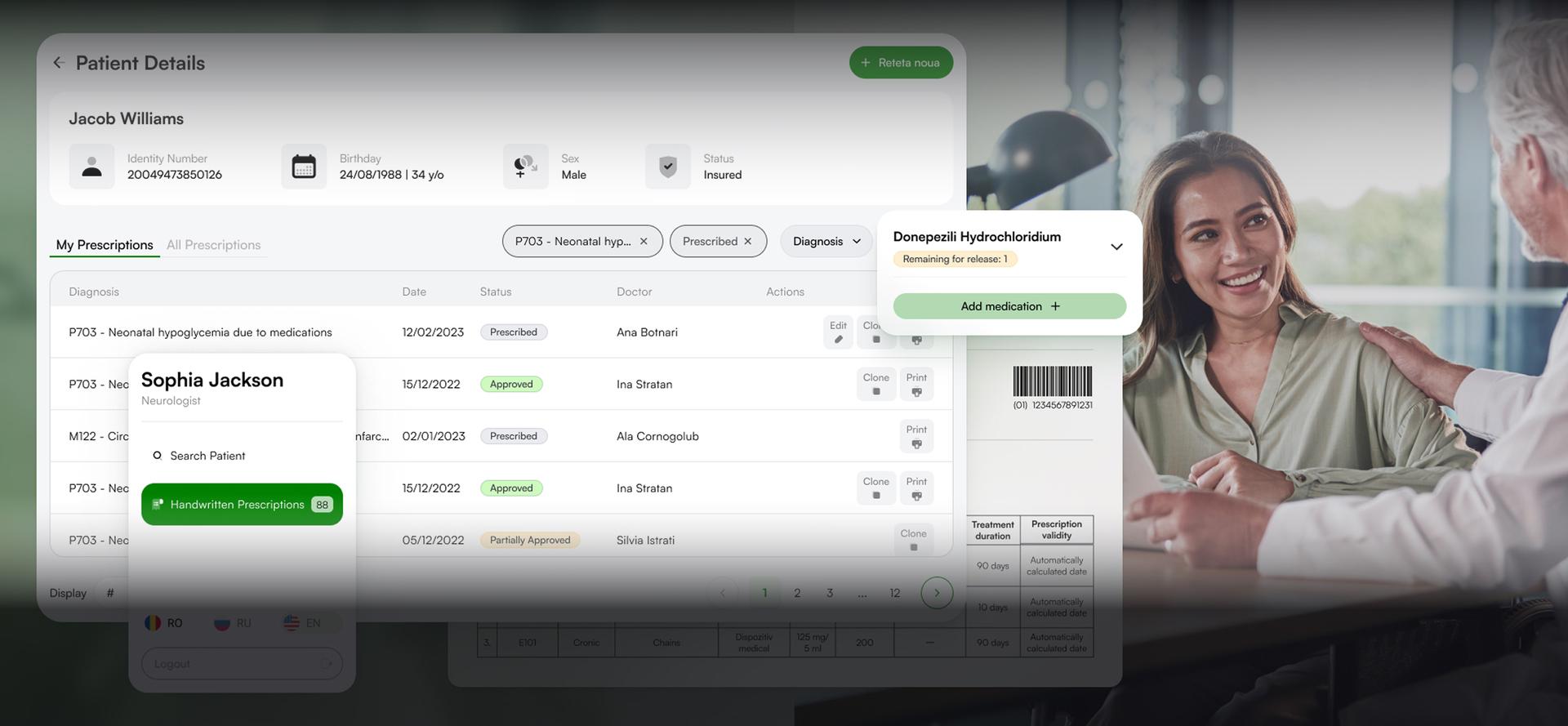
A national prescribing platform built with a state health insurer, live across 1,400+ providers and 1,688 pharmacies, serving 500,000+ patients. In production 11 months from start.
Services
Our healthcare software development services cover records, integration, analytics and clinical AI. Every build starts from the data model and the permission structure.
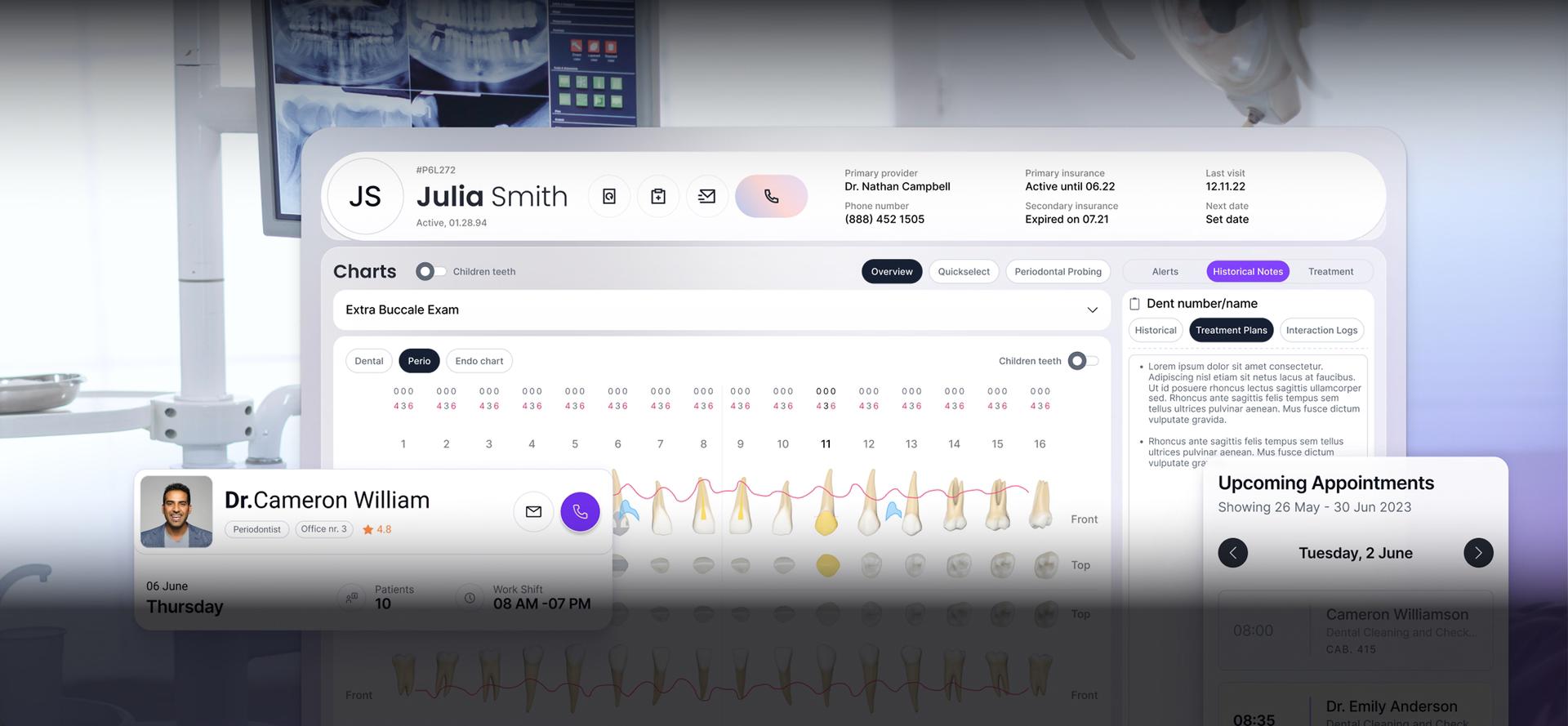
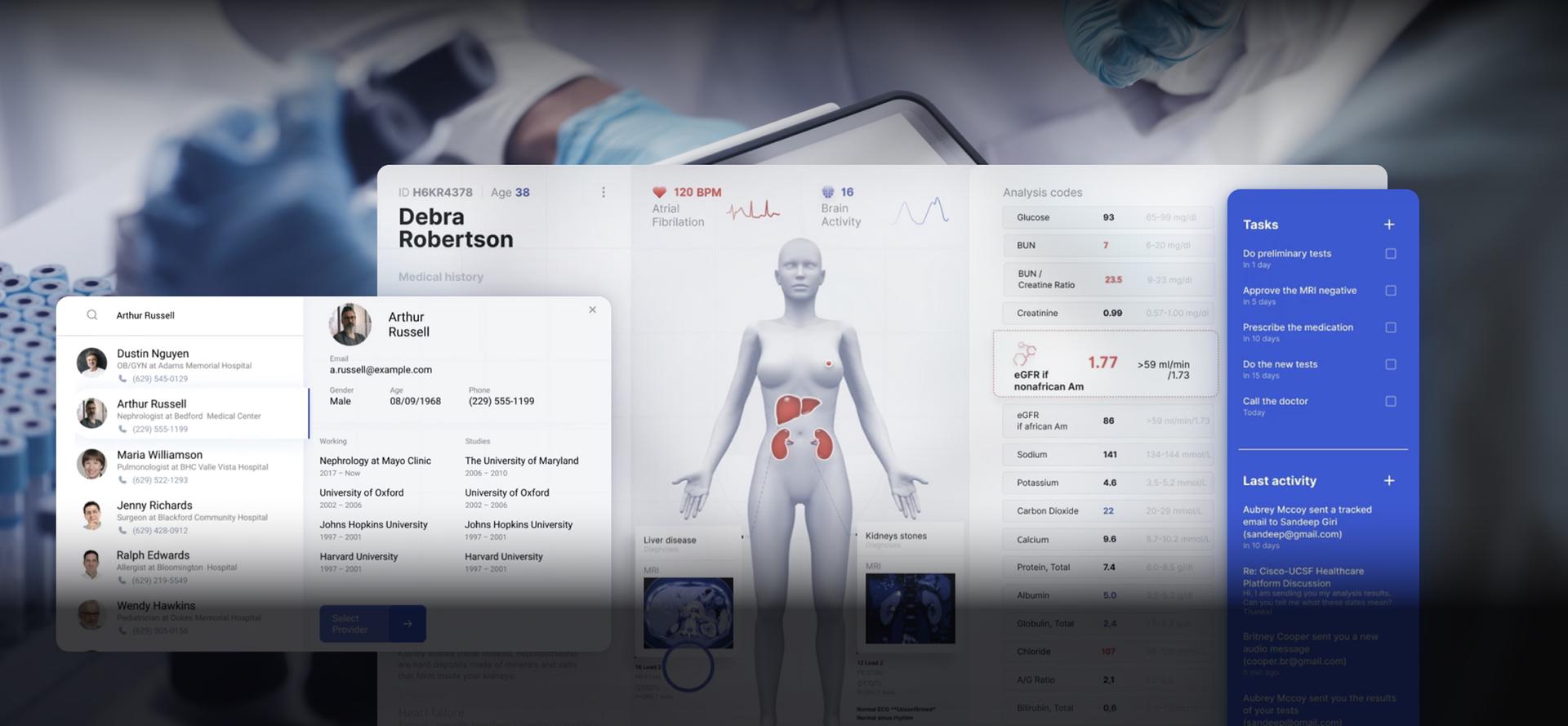
Clinical workspaces built around a single patient view. Vitals, labs against reference ranges, imaging, and the care team, with hospital issues tracked separately from chronic ones and every read and write against the record logged.

Reporting for clinical and operational teams built on one data layer. Department staffing, utilisation and resource use, tracked across any period and exportable.

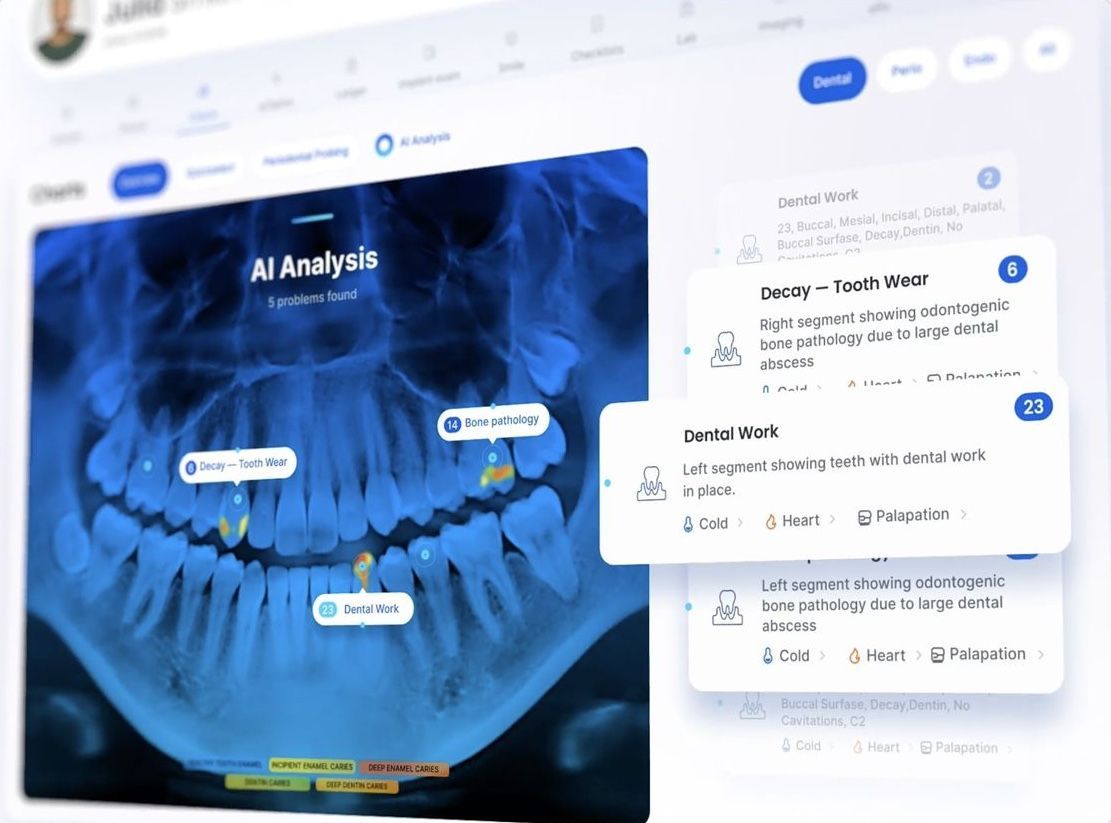
Detection and analysis models running against clinical images and records. On dental radiographs the system marks decay, bone pathology and existing dental work, and attaches a structured note for clinician review.

We connect healthcare systems, provider organisations, laboratories, pharmacies, referral networks, and administrative platforms. Integrations can include structured data exchange, document conversion, digital messaging, prescribing, identity, and legacy-system interfaces.


Outcomes
The difference shows up wherever information currently stops moving between systems, organisations, or sites of care. Everything below comes from systems we have in production.
A clinician working from a partial record makes a decision the missing data would have changed. Completeness depends on every system holding part of that history writing into the same view.
Electronic referrals between separate provider organisations, fax conversion for practices still sending paper, and direct messaging between clinicians.
Paper handling, transcription and duplicate entry removed from prescribing, referrals and records.
Prescriptions issued at the point of care and dispensed at any pharmacy on the network, with results returning to the record without re-entry.
About CorLab
Healthcare software carries obligations that most projects do not. Patient data has legal boundaries, every action needs an audit trail, and the systems it connects to cannot go offline. This is what we have built, how we handle it, and who does the work.
Practice platforms coordinating a handful of specialists, and national infrastructure used across an entire health system. Access control and audit obligations do not scale down with the client.

Access by role, audit trails, encryption and digital signatures go into the architecture before the first screen. Every party touching a patient record needs a different view of it, and those boundaries are set in law.

The engineers who design your data model are the ones who ship it. Nearshore to Europe and the US, in React, Next.js, NestJS, PostgreSQL and MongoDB.

Interface design and engineering sit in the same team, working from an in-house design system. Clinical screens are designed against the real data model and real record structures.

Selected Work
Each case study covers the problem the client started with, the architecture, and the stack it runs on.
Industry / Project
FAQ
A national prescribing platform with digital signatures and role separation reached production in 11 months. An application with one integration is materially shorter. Regulatory scope moves the number more than feature count does.
Our Best Insights
Notes from healthcare work in production, and the engineering decisions behind it.
November 4th, 2024
AI and ML are at the forefront of healthcare transformation—automating tasks, unlocking insights from data, and enabling next-gen treatment breakthroughs.
October 3rd, 2024
From clinics to enterprise systems, digital transformation is making healthcare software more accessible, efficient, and patient-focused.